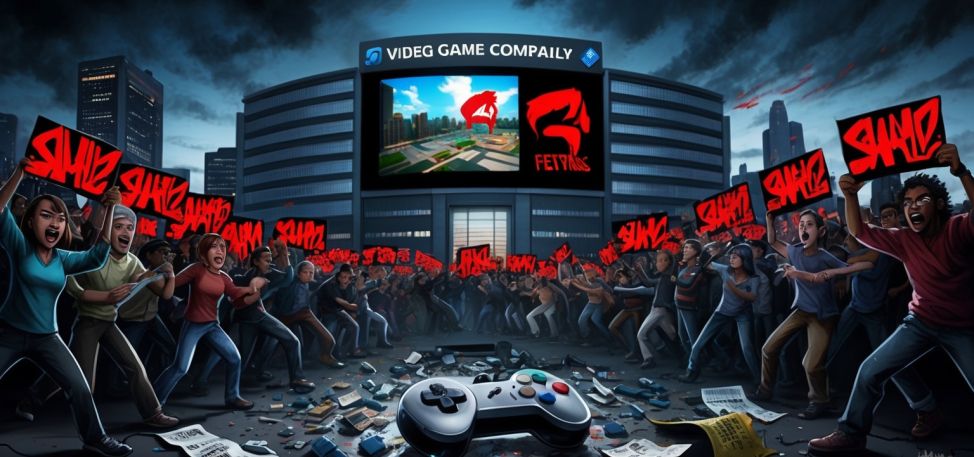
This piece reflects on a notorious moment in gaming history when the conclusion of a popular space opera left such a bitter taste that a major game publisher was branded as the worst company in America on not one, but two separate occasions. The harsh label, far from being an accolade, symbolized the deep-rooted disgruntlement among players during the early 2010s. A significant part of that discontent stemmed from the controversial narrative choices made in the final installment of the series.
One notable voice on the subject comes from a former executive leader who held prominent roles in the gaming industry. His resume includes positions such as head of a leading video game company’s American division, a high-ranking role at a major interactive entertainment business for a well-known console family, and the chief operating officer at the publisher in question from 2012 until 2017. During his tenure, he witnessed first-hand the repercussions of the narrative decision that led to the company’s ignominy. His sentiments underscored the degree to which fans' disappointment could escalate into a public relations debacle.
- The controversial narrative finale played a key role in generating widespread frustration.
- The disapproval was so intense that the publisher received a notorious title on two consecutive occasions.
- The executive recounted how this negative impact paralleled other major scandals of the time, even as other global issues unfolded.
The executive recalled a period when public sentiment was reaching a boiling point. He compared the fervor over the game’s ending to other headline-grabbing calamities of the period, suggesting that while environmental disasters and financial meltdowns were significant, the emotional response to a single character’s fate in a beloved game eclipsed them in the minds of many fans. This comparison, though laden with hyperbole, highlighted the unique emotional investment within the gaming community and its readiness to express discontent publicly.
Reflecting further on his experience, he described how he transitioned into active engagement with the fanbase through social media platforms. He believed that establishing a more personal connection could serve to soften public criticism and humanize the corporation’s image. However, this approach met with resistance from top management in the company’s headquarters, who considered such direct interaction with the fan community to be inappropriate for a leader of his standing.
Ultimately, his career has been marked by bold steps and decisive involvement in shaping industry rivalries. Just as the contentious ending of that famed game continues to be etched in the annals of gaming lore, so too does his recounting of that period offer insight into the delicate balance between corporate strategy and fan passion.